
Unlocking the Potential of Low Dose Semaglutide for Weight Loss: A Comprehensive Guide
In recent years, the landscape of weight management has undergone a remarkable transformation. Among the forefront innovations is low dose semaglutide for weight loss. This breakthrough medication, initially designed for type 2 diabetes management, has shown exceptional promise in facilitating significant weight loss for obese and overweight individuals. As the medical community gains confidence in its efficacy and safety, nutritionists and pharmacies are increasingly incorporating this therapy into holistic weight management strategies. This comprehensive article explores the ins and outs of low dose semaglutide for weight loss, its mechanisms, benefits, usage, and how professional support can optimize your results.
Understanding Semaglutide: From Diabetes to Weight Loss
Semaglutide is a glucagon-like peptide-1 (GLP-1) receptor agonist. Originally developed for managing blood sugar levels in type 2 diabetes, its ability to regulate appetite and slow gastric emptying made it an attractive candidate for weight management. The switch from focusing solely on glycemic control to addressing obesity opened new avenues for its application.
In clinical trials, particularly the STEP (Semaglutide Treatment Effect in People with obesity) studies, low dose semaglutide for weight loss demonstrated up to 15% or more weight reduction in participants over 68 weeks. This revolutionary finding earned FDA approval for chronic weight management, marking a new era in obesity treatment options.
How Does Low Dose Semaglutide for Weight Loss Work?
The Science Behind Semaglutide's Effectiveness
Semaglutide mimics the natural incretin hormone GLP-1, which has several important roles:
- Appetite Suppression: Semaglutide acts on appetite centers in the brain, leading to reduced hunger and cravings.
- Delayed Gastric Emptying: It slows the passage of food from the stomach to the intestines, prolonging satiety.
- Better Blood Sugar Control: It increases insulin secretion and decreases glucagon, helping regulate blood glucose levels.
At low doses, semaglutide’s primary focus becomes appetite regulation and weight loss, with minimal impact on blood sugar for non-diabetic individuals. This specificity makes it suitable for a broader population seeking weight reduction without significant side effects.
Advantages of Using Low Dose Semaglutide for Weight Loss
Individuals considering this therapy can expect multiple benefits:
- Significant Weight Loss: Clinical evidence shows sustained, substantial weight reduction when combined with lifestyle modifications.
- Improved Metabolic Health: Weight loss can lead to better blood pressure, lipid profiles, and insulin sensitivity.
- Reduced Obesity-Related Risks: Such as cardiovascular disease, sleep apnea, and joint problems.
- Appetite Control: Enhanced satiety helps reduce calorie intake effortlessly.
- Psychological Benefits: Improved self-image, motivation, and mental health outcomes.
The Role of Nutritionists and Pharmacies in Optimizing Outcomes from Low Dose Semaglutide for Weight Loss
Collaborative Support for Safe and Effective Treatment
While low dose semaglutide for weight loss offers incredible promise, its success heavily depends on professional oversight. Nutritionists and pharmacies play critical roles by providing tailored guidance, monitoring progress, and ensuring safety.
How Nutritionists Support Your Weight Loss Journey
- Customized Dietary Plans: Tailored meal plans that complement medication effects, emphasizing nutrient-dense foods, portion control, and balanced macronutrients.
- Behavioral Counseling: Strategies to address emotional eating, improve mindfulness, and foster sustainable habits.
- Monitoring and Adjustments: Regular assessments to refine dietary approaches and improve adherence.
- Education: Informing about healthy lifestyle choices to reinforce results.
The Critical Role of Pharmacies
- Safe Dispensation: Ensuring proper dosing and storage of low dose semaglutide for weight loss.
- Medication Management: Tracking side effects, interactions, and adherence.
- Patient Support: Providing educational materials and guidance on injectable administration techniques.
- Monitoring and Follow-Up: Regular check-ups to evaluate efficacy and safety.
Implementing Low Dose Semaglutide for Weight Loss: What to Expect
Pre-Treatment Assessment
Before initiating low dose semaglutide for weight loss, a comprehensive evaluation by healthcare professionals, including nutritionists and physicians, is essential. This assessment involves:
- Medical history review, including any history of pancreatitis, kidney or liver issues
- Understanding current medications and potential interactions
- Baseline measurements: weight, BMI, blood pressure, blood tests
Starting the Treatment
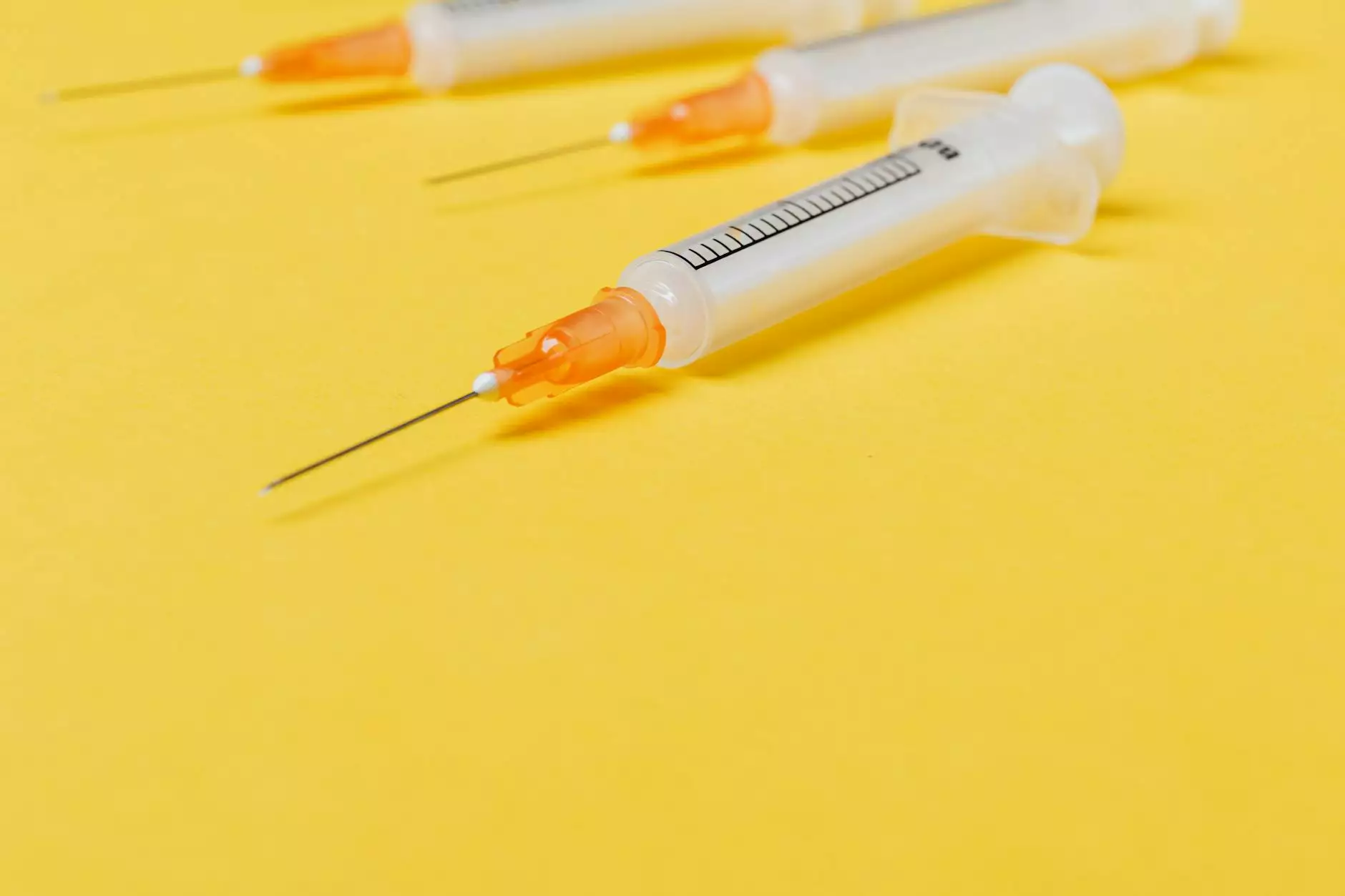
Typically, therapy begins with a low dose, gradually increasing to minimize gastrointestinal side effects such as nausea or diarrhea. The administration is via weekly subcutaneous injections, which can be self-administered after proper training.
Monitoring Progress
Regular follow-up appointments are crucial to assess weight loss progress, side effects, and overall health status. Adjustments in dosage or supportive measures may be required based on individual response.
Potential Side Effects and Safety Considerations
Although low dose semaglutide for weight loss is generally well-tolerated, minor side effects may occur:
- Nausea: Usually diminishes over time
- Vomiting
- Diarrhea or Constipation
- Hypoglycemia: Rare in non-diabetic users but should be monitored
- Injection site reactions: Redness or discomfort
Severe adverse events are rare but require immediate medical attention. Ensuring proper medical oversight minimizes risks and promotes optimal outcomes.
Integrating Low Dose Semaglutide for Weight Loss Into a Holistic Lifestyle
Complementary lifestyle interventions maximize the medication's effectiveness. These include:
- Balanced Nutrition: Focus on whole foods, fiber-rich vegetables, lean proteins, and healthy fats.
- Regular Physical Activity: Incorporate aerobic and resistance training exercises.
- Sleep Hygiene: Aim for quality sleep to support metabolic health.
- Stress Management: Techniques like meditation or yoga to prevent emotional eating.
- Behavioral Changes: Sustainable habits that support long-term weight management.
The Future of Weight Loss: Low Dose Semaglutide and Beyond
The advancements in pharmacotherapy like low dose semaglutide for weight loss reflect a shift towards more effective, personalized treatment options. Ongoing research aims to optimize dosing, reduce side effects, and combine pharmacological agents with behavioral therapies for superior outcomes.
As the medical and nutritional sciences evolve, creating collaborative, individualized plans involving expert nutritionists and licensed pharmacies will be key to unlocking the full potential of these therapies, helping millions achieve healthier lives.
Conclusion: A New Horizon in Weight Management
The emergence of low dose semaglutide for weight loss marks a transformative development in combating obesity. By harnessing the power of this medication, supported by skilled nutritionists and professional pharmacies, individuals can attain meaningful, sustainable results. Emphasizing personalized care, safety, and lifestyle integration ensures that this innovative therapy becomes a cornerstone in the journey towards better health and well-being.
If you're considering low dose semaglutide for weight loss, consult with qualified healthcare professionals at trusted pharmacies like skinny-quick.net who specialize in nutrition and weight management. Your path to a healthier, more vibrant life begins with informed decisions and professional guidance.


